How Your Precision Machine Shop Determines the Right Equipment for Your Part
For those who aren’t familiar with the inner workings of a machine shop, it might seem like any machine can make any part. But in reality, selecting the right equipment is one of the most important decisions that sets the entire manufacturing process up for success.
At KCSP Machine, our expert team evaluates your project from multiple angles to determine whether it belongs on a Swiss machine, CNC lathe, or screw machine. Each option has its strengths, and choosing correctly can make a measurable difference in cost, lead time, and quality.
The Main Driving Factor: Volume
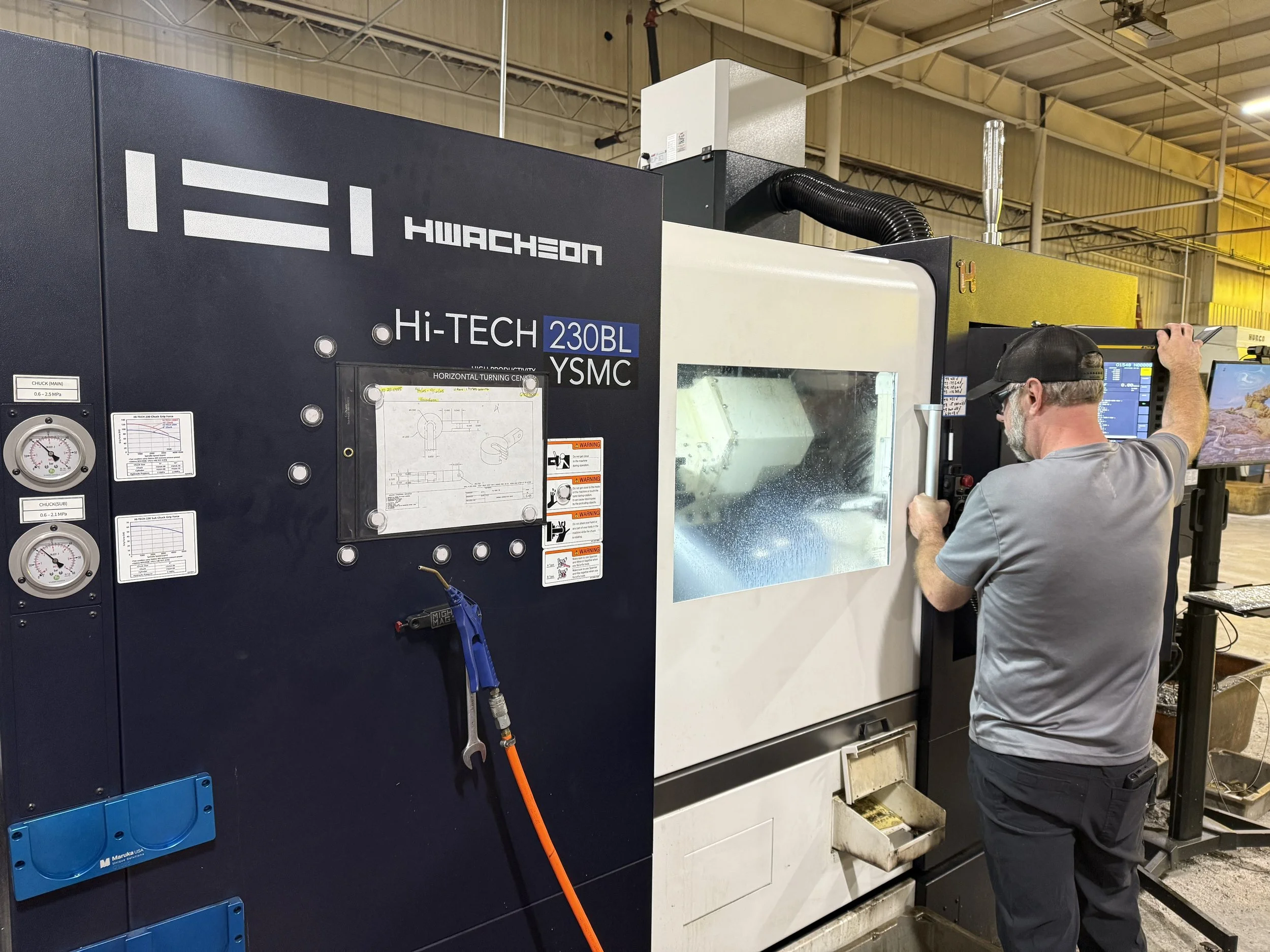
The first factor we take into consideration when deciding which machining process to move forward with is quantity.
For example, Swiss machining offers incredible precision and efficiency, but it comes with higher setup times. That means it makes the most sense when that setup cost can be spread across a larger production run.
When the Swiss is still right for smaller runs
Of course, there are exceptions. If a part requires tight tolerances or specialized capabilities that only a Swiss machine can achieve, we may still recommend it, even for lower quantities. In those cases, it comes down to aligning expectations around cost and performance.
Part Complexity
Another major consideration is how many steps it takes to complete the part.
If a component requires multiple secondary operations, like drilling, tapping, or milling flats, we evaluate whether those can be combined into a single operation on a Swiss machine.
Running a part across multiple machines increases:
Setup time
Handling time
Risk of variation
If we can consolidate those steps into one streamlined process, that’s a strong case for Swiss machining.
Material Selection
Material type plays a bigger role than many people anticipate. Certain materials, like aluminum, brass, plastics, and others, are ideal for lights-out machining. That means we can run them overnight without constant operator supervision. When that’s possible, we can significantly improve efficiency and reduce labor costs.
In other words, when the opportunity for lights-out operation presents itself, Swiss machining becomes an appealing option.
Tool wear and machinability
On the flip side, tougher materials may require more oversight, tool changes, or different equipment altogether. That’s where experience becomes critical; we understand how different materials behave and have the agility to plan accordingly.
Size and Geometry
Diameter limitations
Not every machine can handle every size. Our Swiss machining is limited in diameter to about one inch, while other bar-fed machines, like our larger CNC equipment, can accommodate bigger stock.
Part length
Length is another key factor. On traditional CNC lathes, longer parts may require additional support, like a live center, to maintain stability during machining.
Surface Finish and Cosmetic Requirements
Function always comes first, but cosmetics can still matter.
Parts produced on screw machines may not have the pristine surface finish of those produced on Swiss machines. If appearance isn’t critical, a screw machine may be the more cost-effective option.
If surface finish or aesthetics are important, we’ll factor that into our machine selection.
It All Comes Down to Intentionality
Every decision we make is intentional. We consider your:
Volume
Material
Tolerances
Timeline
Budget
From there, we match your project to the machine that delivers the best overall outcome.
Equipment matters, but experience matters more
Having the right machines is important, but knowing how to use them is what truly sets a shop apart.
At KCSP Machine, our team understands the strengths and limitations of every machine on our floor. That knowledge allows us to make smarter decisions and deliver consistent, high-quality parts.
There’s no one-size-fits-all approach to precision machining. If you’re not sure which process is right for your part, that’s where we come in.
Ready to get started? Request a quote to begin the process with our expert team!